When MRI shielding is discussed, performance standards are often mentioned as a technical requirement, but their real meaning is not always fully understood. In practice, these standards define how effectively a shielding system performs its essential role: creating a stable and controlled electromagnetic environment where an MRI scanner can operate reliably.
They are not just numbers on a specification sheet. Shielding performance standards directly influence image quality, system stability, and the overall reliability of MRI examinations.
What shielding performance really measures
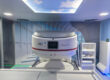
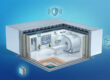
Shielding performance refers to the ability of a shielded MRI room to attenuate unwanted radiofrequency signals. In simple terms, it describes how well external electromagnetic interference is prevented from entering the room and how effectively RF energy generated during scans is contained within it.
This performance is typically expressed in decibels and evaluated across a range of frequencies relevant to MRI operation. Higher attenuation values indicate stronger shielding, but these values only make sense when considered in relation to the specific MRI system and its surrounding environment.
Why performance standards matter in real installations
Performance standards exist to ensure consistency and reliability across different MRI installations. Without clearly defined performance targets, shielding solutions could vary significantly in quality, increasing the risk of image artifacts, unstable system behavior, or failed acceptance testing.
For healthcare facilities, these standards help ensure that diagnostic images remain clear and repeatable over time. For designers and contractors, they provide a shared technical reference that aligns expectations between MRI manufacturers, shielding suppliers, and installation teams.
There is no universal performance level
One common misconception is that MRI shielding performance can be defined by a single universal value. In reality, required performance levels depend on multiple factors, including the type of MRI system, its operating frequency, the building layout, and the electromagnetic noise present in the surrounding environment.
This is why shielding performance should always be considered as part of a broader project evaluation. A well-designed solution balances the required attenuation levels with practical installation constraints and long-term reliability.
From specification to real-world verification
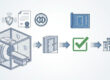
Shielding performance is not theoretical. Once installation is complete, on-site testing is required to verify that the shielded room meets the specified performance criteria. This step confirms that the MRI environment is ready for system commissioning and clinical use.
Clear performance standards help make this phase predictable and reduce the risk of delays or corrective work after installation.
Looking beyond the numbers
While measured attenuation values are important, they do not tell the whole story. Long-term shielding effectiveness also depends on installation quality, treatment of penetrations, grounding, and how the MRI room is used and maintained over time.
Understanding MRI shielding performance standards therefore means looking beyond the test results and recognizing the importance of experience, design accuracy, and execution in delivering reliable shielding solutions.
Need help or have a project in mind?
Share the details with us! Our experts are at your disposal and ready to support you every step of the way, showing you the best solution for your needs.
Call us at +1 646 372 2191 or write us at info@qualityshielding.com