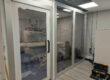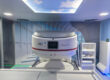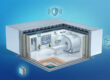
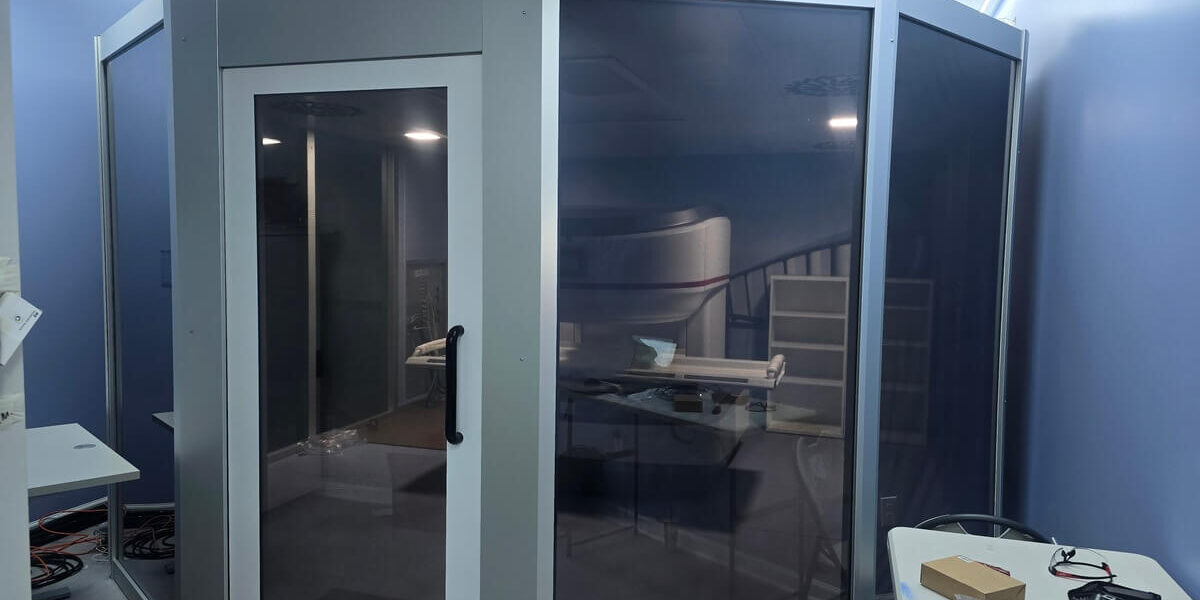
Installing MRI shielding in an existing facility is significantly more complex than designing a new MRI suite from scratch. Hospitals and diagnostic centers frequently integrate high-field MRI systems into structures not originally intended for medical imaging, introducing technical, architectural, and operational hurdles that demand expert RF shielding engineering.
Overcoming structural and spatial constraints
Legacy buildings often present critical limitations, including restrictive room dimensions, varied wall compositions, low ceiling heights, and insufficient floor load-bearing capacities. These factors can prevent the use of standard modular shielding panels, necessitating customized RF solutions.
Irregular geometries and non-uniform construction materials are common in MRI retrofit projects. To maintain peak shielding effectiveness, engineers must adapt the conductive enclosure to the existing site without creating gaps that could lead to RF leakage or compromise the structural integrity of the host building.
Integration with existing medical services and MEP systems
A successful retrofit requires seamless coordination with existing Mechanical, Electrical, and Plumbing (MEP) services. Managing HVAC systems, medical gas lines, and data networks within a shielded volume is a high-precision task.
Key technical considerations for maintaining the Faraday cage integrity include:
- Custom waveguides: Essential for maintaining RF integrity at every service penetration.
- Magnetic field containment: Addressing fringe field concerns (passive shielding) in proximity to sensitive clinical areas.
- Power line filtration: Ensuring that existing electrical circuits do not introduce electromagnetic noise into the MRI suite.
The proximity of other diagnostic equipment makes proper electromagnetic interference (EMI) planning vital to avoid cross-talk and operational disruptions.
Managing shielding installation in operational facilities
Unlike new construction, MRI room upgrades often occur in facilities that must remain fully operational. Installation strategies must prioritize:
- Minimized downtime: Phased installation to reduce the impact on patient throughput.
- Noise and dust control: Critical for maintaining clinical standards in adjacent rooms.
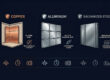
- Logistical efficiency: Managing the transport of heavy copper or steel shielding materials through existing hospital corridors.
Precise on-site execution is essential to meet strict project timelines while ensuring the safety of staff and patients and the continuity of healthcare services.
Tailored RF solutions for long-term diagnostic performance
Successful MRI shielding retrofits rely on a flexible, project-specific approach. Custom-engineered solutions allow shielding systems to adapt to the constraints of the existing structure while ensuring full compliance with OEM specifications (such as Siemens, GE, or Philips).
When properly designed, installed, and tested for decibel (dB) attenuation, retrofitted MRI shielding delivers the same level of image quality and signal-to-noise ratio (SNR) as a new-build facility, protecting the long-term ROI of the imaging equipment.
Need help or have a project in mind?
Share the details with us! Our experts are at your disposal and ready to support you every step of the way, showing you the best solution for your needs.
Call us at +1 646 372 2191 or write us at info@qualityshielding.com