Magnetic Resonance Imaging (MRI) is one of the most advanced diagnostic tools used in modern healthcare. It allows clinicians to obtain highly detailed images without exposing patients to ionizing radiation. Behind this apparent simplicity, however, MRI technology relies on extremely sensitive electromagnetic processes that require a carefully controlled environment.
This is where MRI shielding becomes essential.
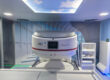
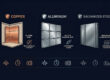
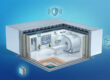
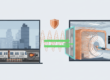
MRI shielding is designed to isolate the MRI system from external electromagnetic disturbances and to contain the radiofrequency signals generated during scans. Without this protection, the performance of the scanner can be compromised, affecting both the reliability of the images and the overall safety of the examination.
MRI systems work by detecting very weak signals coming from the human body. These signals are easily influenced by external sources such as nearby electronic equipment, electrical infrastructure, or radiofrequency noise present in the surrounding environment. Even minimal interference can have a visible impact on image quality.
Effective shielding creates a stable and controlled space where the MRI system can operate as intended. This directly supports accurate diagnostics, consistent performance, and safe operating conditions for patients and medical staff.
From a patient safety perspective, MRI shielding plays a crucial role. Clear and reliable images are essential for correct diagnosis and clinical decision-making. When shielding is inadequate, image artifacts or distortions may occur, potentially leading to repeat scans or uncertainty in interpretation.
Beyond image quality, proper shielding contributes to maintaining controlled electromagnetic conditions within the MRI suite. This helps ensure that the scanner operates predictably and safely throughout every examination.
It is important to understand that MRI shielding is not a secondary component of an MRI installation. It is a fundamental part of the system as a whole. When designed and implemented correctly, shielding works silently in the background, supporting daily clinical operations without drawing attention to itself.
For healthcare facilities, imaging centers, and project stakeholders, investing in proper MRI shielding means investing in long-term reliability, patient confidence, and diagnostic integrity.
Frequently asked questions about MRI shielding
Is MRI shielding required for every MRI installation?
Yes. Every MRI system requires shielding to operate correctly. While the specific solution may vary depending on the environment and the scanner, shielding is always a fundamental part of an MRI installation.
Does MRI shielding protect patients from radiation?
MRI does not use ionizing radiation. Shielding is used to control electromagnetic interference and radiofrequency signals, helping ensure safe operating conditions and reliable diagnostic results.
Can an MRI work without proper shielding?
An MRI system may technically function, but without adequate shielding image quality, system stability, and safety can be compromised. Proper shielding is essential for consistent and reliable performance.
Is MRI shielding visible inside the MRI room?
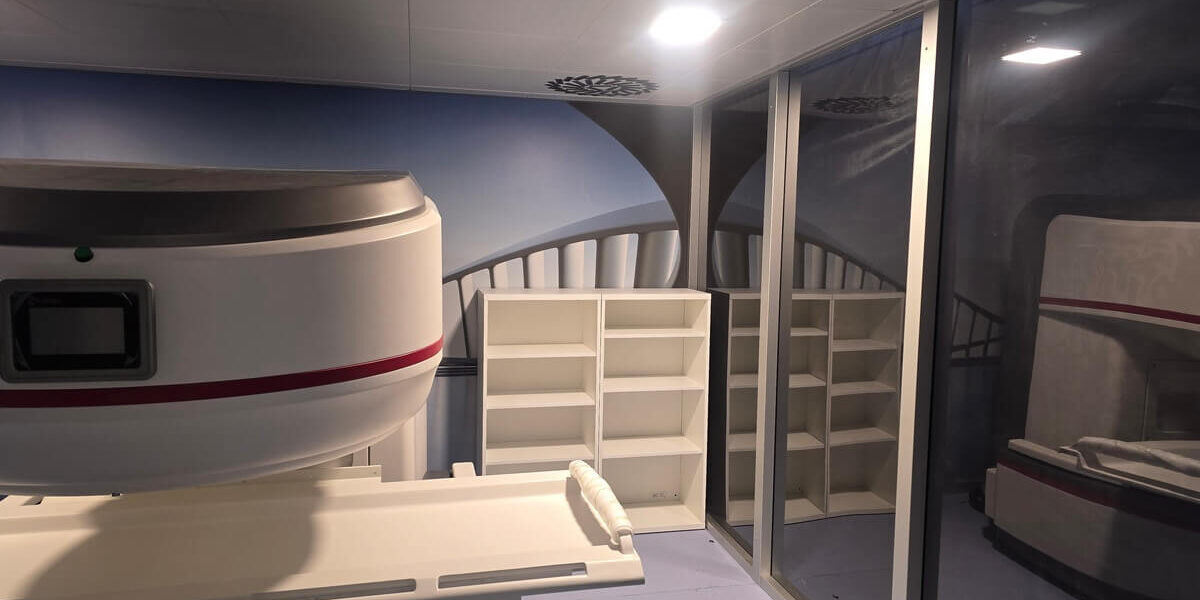
In most cases, MRI shielding is fully integrated into the room structure and is not visible to patients. When properly designed, it supports the MRI system without affecting the look or comfort of the space.
Need help or have a project in mind?
Share the details with us! Our experts are at your disposal and ready to support you every step of the way, showing you the best solution for your needs.
Call us at +1 646 372 2191 or write us at info@qualityshielding.com