In MRI environments, shielding plays a crucial role in ensuring both system performance and safety. However, the term “shielding” often refers to two very different concepts: RF shielding and magnetic shielding. Although they serve distinct purposes, both are essential components in the design of an effective MRI room.
Different problems, different functions
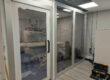
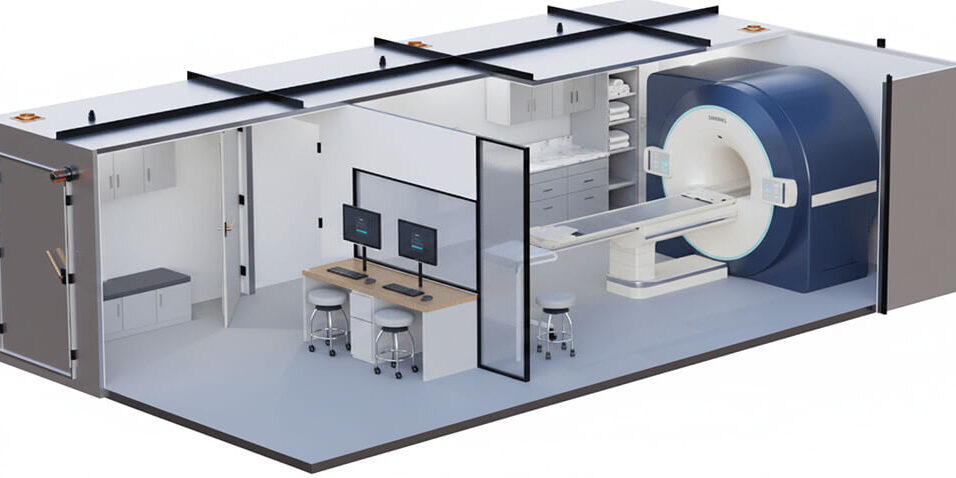
RF shielding is designed to block external radiofrequency signals from entering the MRI room and to prevent internal signals from escaping. MRI systems operate at very specific RF frequencies, and even minor interference from external sources can degrade image quality or disrupt system operation. RF shielding typically takes the form of a continuous conductive enclosure, often referred to as a Faraday cage, that creates a controlled electromagnetic environment for the scanner.
Magnetic shielding, on the other hand, addresses a completely different challenge. Its purpose is to control the spatial extent of the MRI system’s static magnetic field. Strong magnetic fields can extend well beyond the scanner itself, potentially affecting nearby equipment, infrastructure, or areas accessible to staff and the public. Magnetic shielding is used to limit this field and ensure compliance with safety boundaries.
Materials and implementation
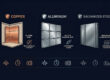
RF shielding relies on conductive materials such as copper or aluminum, assembled to form a sealed enclosure with carefully treated joints, doors, windows, and penetrations. Continuity and precision are essential, as even small gaps can compromise shielding effectiveness.
Magnetic shielding typically involves high-permeability materials that redirect magnetic field lines rather than blocking them. These materials are strategically placed within walls, floors, or ceilings based on the specific field characteristics of the MRI system and the surrounding environment.
Why both matter in MRI room design
Although RF shielding and magnetic shielding serve different functions, they must work together as part of an integrated MRI room design. RF shielding ensures a stable electromagnetic environment for accurate imaging, while magnetic shielding helps maintain safe conditions beyond the scanner room.
Understanding the distinction between these two types of shielding is essential when planning an MRI installation. Proper evaluation of both requirements helps avoid performance issues, safety concerns, and costly modifications during or after installation.
Need help or have a project in mind?
Share the details with us! Our experts are at your disposal and ready to support you every step of the way, showing you the best solution for your needs.
Call us at +1 646 372 2191 or write us at info@qualityshielding.com